
When sourcing reliable SMT feeder spare parts, PCBA manufacturers face one critical decision: choosing between OEM new parts, high-quality aftermarket new parts, and refurbished feeder components. Improper selection often results in unexpected line stops, higher reject rates, and unnecessary production losses.
A typical case occurred at a Dongguan PCBA factory, where a broken Yamaha YS12 SS 56mm feeder safety buckle caused a full production shutdown. The official OEM lead time reached 15 working days, leaving the factory unable to resume mass production immediately.
This scenario happens frequently among USA and EU SMT production lines. Feeder mechanical wear remains the top cause of unplanned downtime.
In this 2026 engineer-oriented guide, you will learn:
- Complete SMT feeder structure and high-failure part checklist
- Real differences between OEM, aftermarket, and refurbished feeder parts
- Standard procurement rules for European and American PCBA factories
- Practical tips to avoid feeder quality traps
- A comparison table purchasing teams can use when choosing a part grade
Contents
- What Is an SMT Feeder & Why It Determines PCBA Production Yield?
- What Are the Top 5 Root Causes of Feeder Part Damage (20-Year Field Engineer Summary)?
- How Do the 3-Tier Spare Parts Compare: OEM New | Made in China | Refurbished Used?
- Why Are High-Quality Chinese Aftermarket Feeder Parts Widely Adopted in 2026?
- What Are Our Core Competitive Advantages? Factory Direct Supply + Precision Closed-Loop Testing
- What Are the Global Buyer FAQs (Google High-Frequency Questions)?
- Conclusion
- Footnotes
What Is an SMT Feeder & Why It Determines PCBA Production Yield?
An SMT feeder (tape feeder) is the core feeding unit of pick-and-place machines. It transports electronic components accurately to the nozzle position. Even high-end mounters cannot guarantee stable yield if feeder precision declines.
Main Feeder Brands Used in US & EU Lines
- Yamaha Feeder (YS / YSM / YG Series) — Most popular for large-volume 3C production
- Fuji Feeder (NXT Series) — Preferred for automotive and high-precision PCB assembly
- Samsung SM Feeder Series — Widely used in mid-size mass production
- JUKI, Panasonic, ASM — Applied for industrial and customized circuit board production
Common Feeder Width Sizes
8mm, 12mm, 16mm, 24mm, 32mm, 44mm, 56mm. Covers tiny 0402 chips to large connectors and irregular components.
High-Failure Feeder Components
Feeders contain over 100 precision mechanical parts. Most failures come from wearable components rather than overall damage.
Common faulty parts:
- Feeder gear sets and ratchets
- Safety buckles and pressure blocks
- Tension springs and cover plates
- Tape guide brackets and sensor holders
Replacing only damaged spare parts can save up to 90% cost compared with full feeder replacement.
What Are the Top 5 Root Causes of Feeder Part Damage (20-Year Field Engineer Summary)?
Based on 20 years of feeder maintenance experience, most feeder failures result from the following reasons:
- Long-term high-speed operation causes gear tooth wear and ratchet clearance enlargement.
- Solder dust and debris accumulation increases mechanical friction.
- Inaccurate feeder calibration creates uneven feeding force.
- Improper manual loading deforms buckles and pressure blocks.
- Low-grade replacement parts wear rapidly under continuous production load.
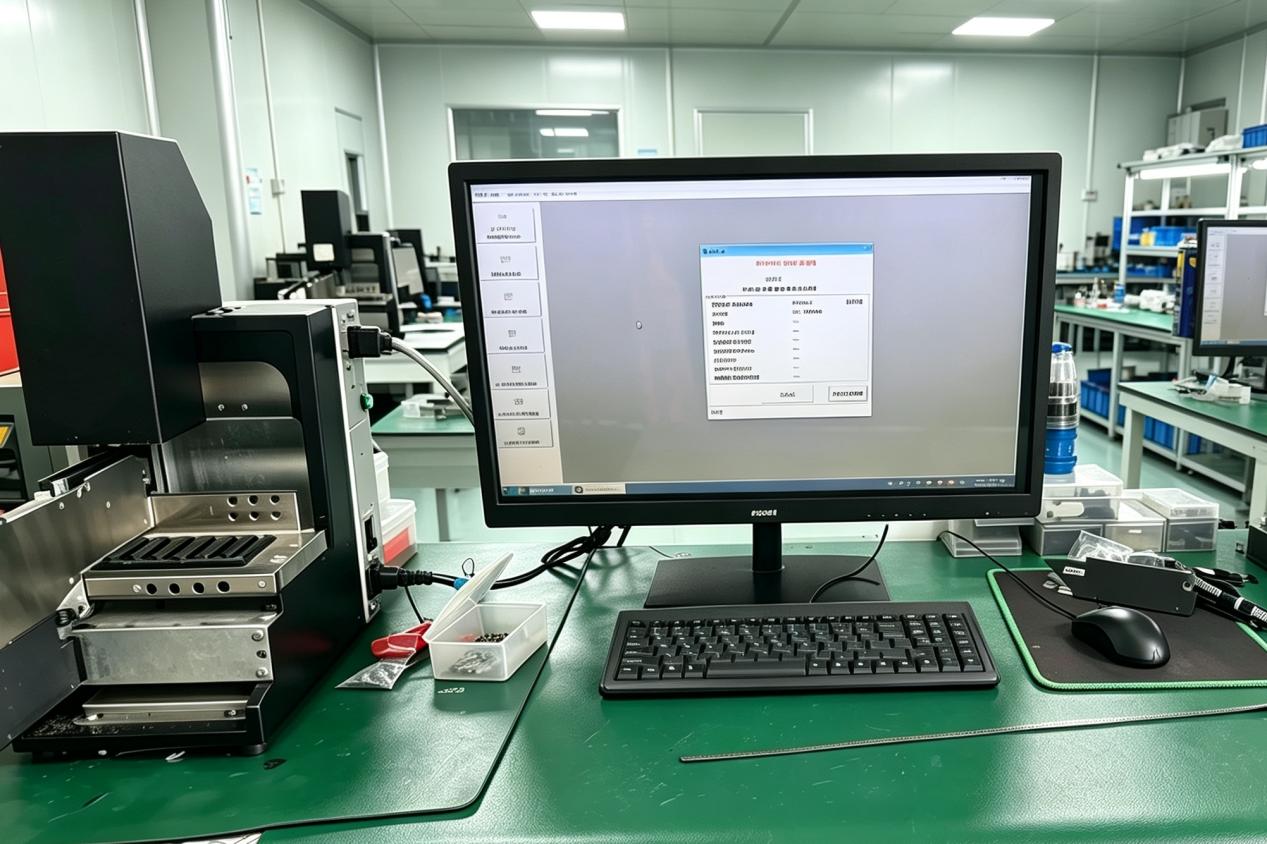
Regular inspection and standardized spare part replacement effectively reduce downtime risks.
True
Replacing worn rollers and tension springs of electric feeders in time can effectively prevent carrier tape slipping and misfeeding.
Rollers and tension springs are wearing parts for SMT electric feeders. When friction or tension drops, the carrier tape will shift or slip, resulting in pick failures and frequent feeder alarms.
False
After adjusting the motor parameters of an electric feeder, there is no need to recalibrate the pickup position.
Motor speed and feed-length parameters directly control the stop position of carrier tape. Any parameter modification requires pickup position recalibration; otherwise, pick offset and tape jams will occur.
How Do the 3-Tier Spare Parts Compare: OEM New | Made in China | Refurbished Used?
No single part type suits all production scenarios. Factories should match parts according to product value, production stability requirements, and budget.
Comparison table for procurement reference:
| Item | OEM Original New Parts | Made in China Parts | Refurbished Used Parts |
|---|---|---|---|
| Price | 100% original premium | 20%–50% of OEM cost | 10%–30% of OEM cost |
| Lead Time | 5–15 working days | Same-day shipping (in stock) | 1–3 working days |
| Material | Certified heat-treated alloy | SKD11 / SUJ2 high-precision steel | Mixed recycled metal |
| Tolerance | Micron-level factory calibration | 100% full dimension inspection | No strict tolerance control |
| Warranty | 6–12 months official warranty | 1-year mechanical warranty | Short limited warranty |
| Best Usage | Automotive, medical, aerospace PCB | 3C, IoT, LED mass production | Emergency standby stations |
Feature Analysis
- OEM parts: Ultra-stable but expensive and out of stock frequently due to global capacity relocation.
- High-quality aftermarket parts: Best balanced solution for 2026 mass production, stable precision with fast delivery.
- Refurbished parts: Low cost but unstable lifespan, not recommended for critical production positions.
Why Are High-Quality Chinese Aftermarket Feeder Parts Widely Adopted in 2026?
Three major industry changes promote the wide adoption of premium aftermarket feeder spare parts:
1. Unstable OEM Global Supply Chain
Many Japanese OEM production lines continue shifting capacity overseas. This causes long delays, stock shortages, and inconsistent delivery schedules for European and American buyers.
2. Mature Chinese Precision CNC Manufacturing
Modern CNC factories in Shenzhen achieve 1μm-level machining accuracy for feeder gears and structural parts. The performance gap between qualified aftermarket parts and original parts continues shrinking.
3. AI Inventory System + Fast Global Logistics
Reliable suppliers maintain 95% mainstream feeder SKUs in stock via AI demand forecasting. Fast air and sea shipping cover USA, UK, Germany, and all EU regions, shortening lead times from weeks to days.
For most mass-production SMT factories, premium aftermarket feeder spare parts have become the standard procurement choice rather than a temporary alternative.
True
High-quality aftermarket new feeder spare parts generally cost 20%–50% of OEM original new parts and are suitable for mass 3C, IoT and LED production.
Compared with expensive original OEM spare parts, qualified aftermarket new parts offer a good balance of price, delivery speed and stability, making them ideal for large-volume 3C, IoT and LED manufacturing lines.
False
Refurbished feeder spare parts are recommended for critical production positions due to their stable service life.
Refurbished spare parts have no strict tolerance control and unstable lifespan; they are only fit for emergency standby stations instead of core production positions.
What Are Our Core Competitive Advantages? Factory Direct Supply + Precision Closed-Loop Testing
We focus exclusively on SMT feeder spare parts manufacturing and global export, with stable advantages beyond ordinary trading suppliers.
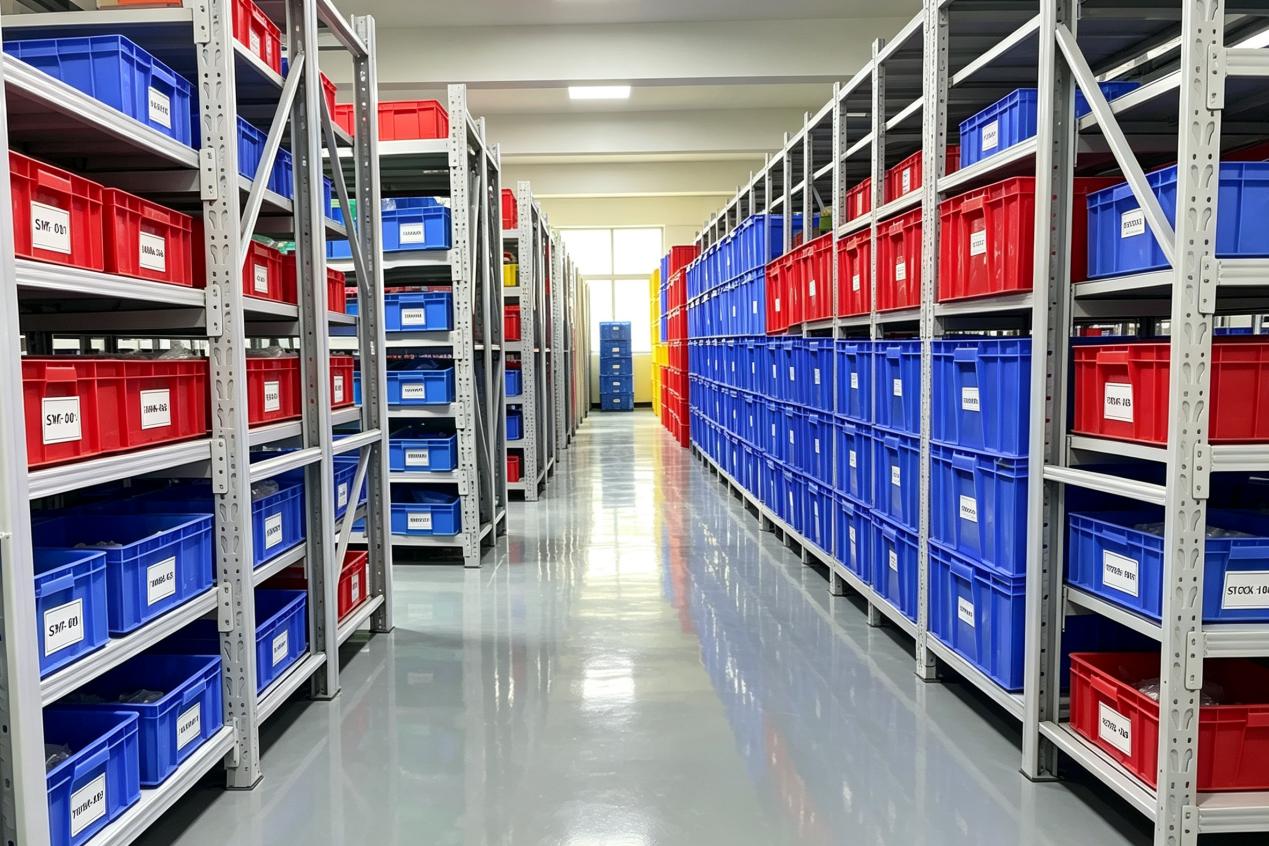
1. Self-Owned CNC Machining Factory
All mechanical feeder parts are self-produced:
- Zero middleman markup
- Strict raw material control (SKD11 / SUJ2 steel)
- Custom machining for obsolete and discontinued feeder models
2. 95% Spot Inventory Coverage
Mainstream Yamaha, Fuji, and Samsung feeder accessories are always in stock. Hard-to-find models are supported by professional disassembled part resources.
3. Closed-Loop Precision Quality Control
All finished parts pass CPK > 1.33 precision testing and feeder calibration inspection, ensuring ±0.05mm feeding accuracy after customer installation.
What Are the Global Buyer FAQs (Google High-Frequency Questions)?
Q1: Will aftermarket feeder spare parts void my machine warranty?
No. Only main boards and drive motors affect official machine warranty. Mechanical wearable parts such as gears, springs, and buckles do not invalidate OEM warranty terms.
Q2: Is feeder calibration necessary after part replacement?
Yes. New parts always require calibration. Without precise adjustment, even high-quality feeder components will cause misfeeding and unstable pickup rates.
Q3: Do you support neutral packaging and private labeling?
Yes. We provide full OEM, ODM, and confidential neutral packaging services for global distributors.
Q4: Can you ship in-stock parts on the same day?
Orders placed before noon ship the same day. Custom machined parts take 3–5 working days.
Q5: Do you provide technical support and offline software training?
We support Yamaha P-Tool, Fuji FLEXA, and ASM software unlocking and operational training for professional SMT factories.
Conclusion
Vague verbal guarantees always lead to costly production downtime and unexpected quality issues in SMT mass production. All qualified SMT feeder spare parts must be verified with official specifications, dimensional tolerance data, pre-shipment testing records, and standardized technical documents.
For most USA and EU PCBA factories, high-quality aftermarket feeder spare parts deliver the best combination of stable quality, fast delivery, and cost efficiency in 2026.
Footnotes
- SMT Feeder Mechanical Standards: Defines standardized feeding principles, stepping accuracy parameters, and common failure modes for Yamaha, Fuji, Samsung, and universal pick-and-place feeder systems.
- IPC Industrial Assembly Standard: Global authoritative specification for electronic assembly quality, component packaging rules, and SMT production qualification requirements.
- ISO Precision Metrology Standard: Governs dimensional tolerance inspection, mechanical part precision grading, and technical document validation for industrial precision components.
- International B2B Procurement Norms: Standardizes cross-border spare part purchasing rules, warranty transparency, quality inspection obligations, and after-sales service principles for industrial equipment accessories.
- OEM Official Maintenance Specifications: References updated official manufacturer guidelines for feeder structure parameters, assembly standards, wear limits, and daily maintenance requirements.
Get a quote for SMT machines and spare parts now!